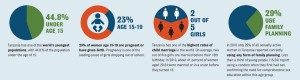
This Monday, December 1st, was World AIDS Day, and this year there was a lot to celebrate. New HIV infections have dropped 38 percent since 2001 and the number of AIDS related deaths continues to decline—down 35 percent since 2005. But, to truly eradicate the epidemic, we still have a long way to go. And to do so, we must pay closer attention to a large population that is still largely underserved: adolescent girls and young women.
Every year there are approximately 380,000 new HIV infections among young women aged 15-24, and in 2013 almost 60% of all new HIV infections occurred among this group. Women and young girls are at greater risk of infection because of factors including sexual assault, child marriage, gender-based violence, and conflict. Women and girls also face cultural stigma which can prevent them from seeking HIV testing and counseling.
One of the most effective ways to reach women and girls is by integrating sexual and reproductive health care with HIV. Integration allows women and young girls to receive the full range of health services they need. Providing all services in one place is common sense—but there are many women and girls unable to access integrated services. To get a better idea of what care without integration looks like, click here.
Factors holding back integrated services include donor funding that is dedicated only to HIV, divided national health systems, as well as conservative policies that restrict women’s access to reproductive health services. Thankfully organizations like PAI and other advocacy organizations have shown the long-term health and financial benefits of providing integration. Now, donors and U.S. government programs like PEFPAR are finally starting to recognize the importance of HIV integration and are acting on commitments to provide these services to women and young girls. HIV/AIDS has come a long way from the first official World AIDS Day 26 years ago, and the possibility of significantly decreasing infection rates for women and girls is within reach. This is a possibility to keep fighting for.
For more information and recent data on HIV/AIDS, see UNAIDS latest report and PEPFAR’s gender strategy.