Donate Now
Video
FEATURED VIDEOS
30 Years is Enough: End the Global Gag Rule
The Global Gag Rule holds women in developing countries hostage in the never ending ping pong game of U.S. partisan politics. First imposed by President Ronald Reagan in 1984, the policy withheld family planning funding from any foreign organization that offered abortion services — even just information or referrals — with their own, non-U.S. funds.
Con Las Manos Vacias
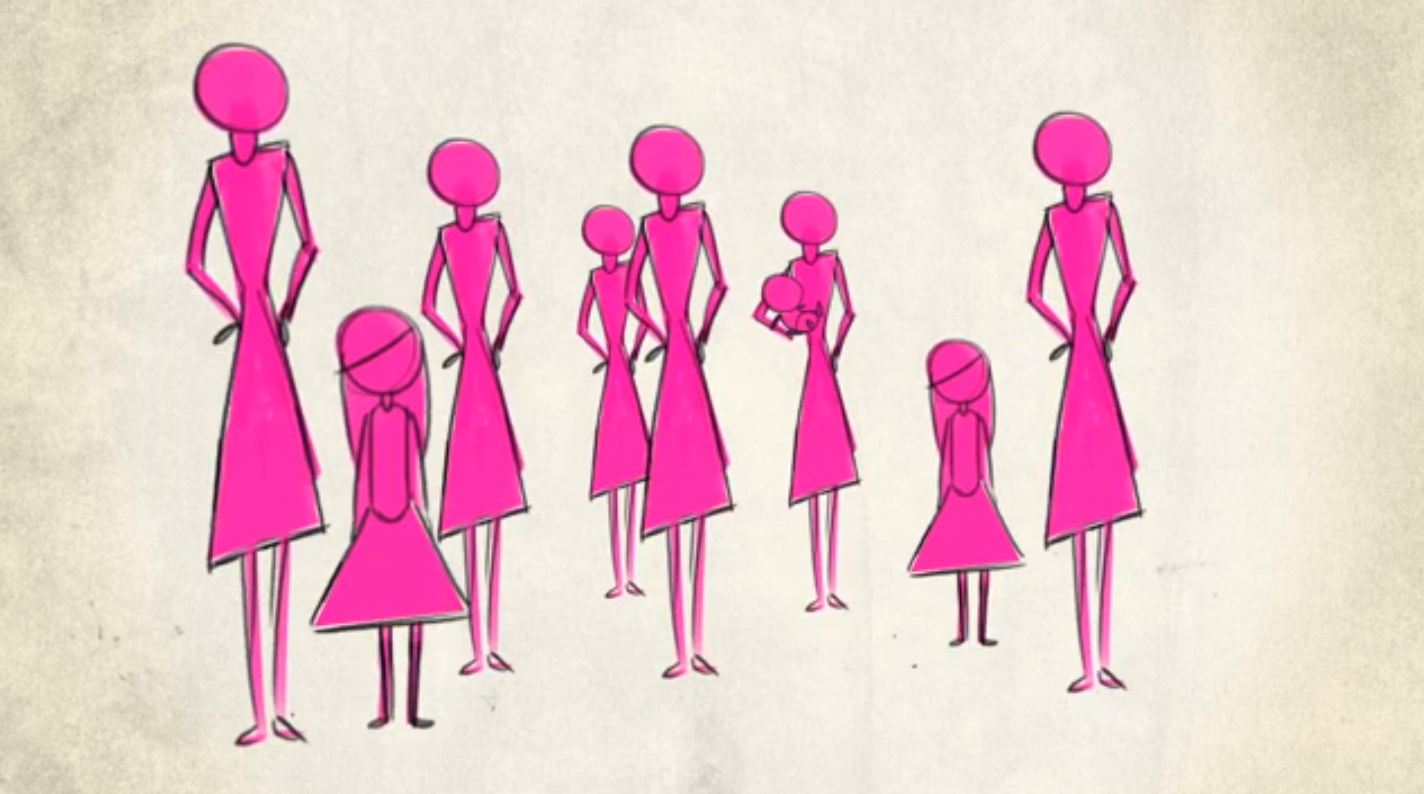
Too often, Latin American women go to a clinic for contraception, but they leave con las manos vacias — empty handed. When they return to the clinic, it will likely be for prenatal services. More than half of pregnancies in Latin America and the Caribbean are unplanned, due in large part to the lack of family planning methods available to women.
Dollars and Sense
Right now, 222 million women want modern contraception, but can’t access it. If we gave these women what they wanted, we could have saved more than 1 million lives last year. Dollars and Sense makes the economic case for contraception: we can save lives and money by investing in family planning
In One Place
In One Place shows why integrating family planning/reproductive health and HIV/AIDS is a priority for women and young people in sub-Saharan Africa. Through the voices of women in Zambia living with HIV, the film documents how separate health services can result in a range of missed opportunities, poor health outcomes and lost productivity.
Weathering Change
Weathering Change takes us to Ethiopia, Nepal and Peru to hear the stories of four women as they struggle to care for their families, while enduring crop failures and water scarcity. As the world’s population hits 7 billion in 2011, the film shows how women and families are already adapting to environmental challenges that threaten their health and their livelihoods.
Empty Handed: Responding to the Demand for Contraceptives
Empty Handed tells the story of women’s lack of access to reproductive health supplies in sub-Saharan Africa, and its impact on their lives. The film documents the challenges at each level of the supply chain and identifies key areas for improvement. Empty Handed aims to provoke discussion and mobilize support for reproductive health supplies.
The Silent Partner: HIV in Marriage
Empty Handed tells the story of women’s lack of access to reproductive health supplies in sub-Saharan Africa, and its impact on their lives. The film documents the challenges at each level of the supply chain and identifies key areas for improvement. Empty Handed aims to provoke discussion and mobilize support for reproductive health supplies.
Abstaining from Reality
Filmed in Kenya and Uganda, this short documentary provides a snapshot of the Bush administration’s abstinence-only approach to HIV prevention as part of its global HIV/AIDS assistance. Abstaining from Reality examines how these ideologically-driven programs are actually endangering the lives of the people they’re supposed to be protecting.
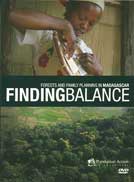
Finding Balance – Forests and Family Planning in Madagascar
Poverty and rapid population growth have driven the destruction of almost 90 percent of Madagascar’s rainforest, home to thousands of plant and animal species found nowhere else on earth. This award-winning documentary journeys to the edge of a rapidly disappearing world, where population growth continues to fuel the cycle of poverty and deforestation.
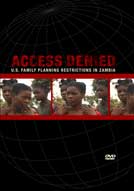
Access Denied: U.S. Family Planning Restrictions in Zambia
This seven-minute video was produced by Population Action International to document the effects of the Global Gag Rule on reproductive health programs in Zambia, one of Africa’s poorest countries.
Video
30 Years is Enough: End the Global Gag Rule
The Global Gag Rule holds women in developing countries hostage in the never ending ping pong game of U.S. partisan politics. First imposed by President Ronald Reagan in 1984, the policy withheld family planning funding from any foreign organization that … Continue reading
Video
A World Without PAI
Have you ever wondered what would happen if there was no one to fight for family planning? In 2013, 222 million women in developing countries wanted to prevent pregnancy but lacked modern contraception. That’s one in four women of reproductive … Continue reading
Video
Con Las Manos Vacias: Delivering on the Right to Contraception
Too often, Latin American women go to a clinic for contraception, but they leave con las manos vacias — empty handed. When they return to the clinic, it will likely be for prenatal services. More than half of pregnancies in Latin … Continue reading
Video
Stop Ignoring These 222 Million Women
Right now, 222 million women — more than the populations of Germany, Spain, France, Belgium, and The Netherlands combined — want modern contraception, but they can’t get it. If we gave these women what they wanted, we could have saved … Continue reading
Video
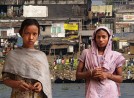
Climate Change in Bangladesh
When natural disasters strike, women are often the hardest hit. But when women are empowered to plan and space their children, they can better adapt to climate change. PAI is working with local partners in Bangladesh to make sure these … Continue reading
Video
Putting Women at The Center of Climate Change Solutions
For almost 50 years, PAI has been at the forefront of helping women around the globe access the contraception and reproductive care they need. Family planning improves the lives of women, their children, and their families but it also has … Continue reading
Video
Our Collective Impact
As 2012 comes to a close, I’m hoping that you will take a minute to reflect on all that we have achieved this year. Together, you, PAI, and our partners around the world have improved the lives and well-being of … Continue reading
Video
In One Place
In One Place shows why integrating family planning/reproductive health and HIV/AIDS is a priority for women and young people in sub-Saharan Africa. Through the voices of women in Zambia living with HIV, the film documents how separate health services can result in a range of missed opportunities, poor health outcomes and lost productivity. Continue reading

Video
Gender Norms Can Affect Women’s Health
Peter Nweke from Network of People Living with HIV/AIDS in Nigeria (NEPWHAN) talks about how gender norms can affect women’s decision-making about reproductive health.

Video
Community Involvement is the Key
Chilambe Katuta from Youth Vision Zambia emphasizes the importance of community involvement in creating sustainability for integrated services.